Freeze dried dog treats are generally safe for healthy dogs when they are handled with the same care as raw meat, because freeze drying removes water but does not reliably kill bacteria. The main risk is Salmonella or Listeria on raw animal protein, and that risk is mostly to the people handling the treats. This guide summarizes what the FDA, the American Veterinary Medical Association (AVMA) and Cornell University say, and how to handle freeze dried treats safely at home.
Key facts
- Freeze drying is not a cooking step. Cornell University's Riney Canine Health Center says freeze-drying is not equivalent to cooking when it comes to bacteria and parasites.
- Most freeze dried dog treats are raw meat or organs with the water removed.
- In an FDA study, 15 of 196 raw dog and cat food samples tested positive for Salmonella and 32 for Listeria monocytogenes.
- The AVMA discourages feeding raw or undercooked animal-source protein unless it has been through a process that reduces or eliminates pathogens.
- High-pressure processing (HPP) is a non-thermal pathogen-reduction step some raw pet food makers use.
- Young children, older adults, pregnant people and people with weakened immune systems are at higher risk from foodborne bacteria.
Does freeze drying kill bacteria?
No, not reliably. Freeze drying removes moisture, which stops bacteria from growing during storage, but bacteria that were on the meat before drying can survive. Cornell University's Riney Canine Health Center puts it directly: freeze-drying is not equivalent to cooking when it comes to the risks from bacteria and parasites. That is why freeze dried treats should be handled like raw meat, even though they are dry and shelf-stable.
What did the FDA find about raw pet food?
Between 2010 and 2012, the FDA's Center for Veterinary Medicine screened more than 1,000 pet food samples for bacteria. Of 196 raw dog and cat food samples, 15 tested positive for Salmonella and 32 for Listeria monocytogenes. Almost every non-raw category tested, including jerky-type treats and dry dog food, had no positive samples. Based on these results, the FDA says raw pet food can pose a health risk to pets and to the people who handle it.
The FDA study did not test freeze dried treats as a separate category. Because most freeze dried treats are raw, the same handling advice applies.
What do veterinarians recommend?
The AVMA discourages feeding dogs and cats raw or undercooked animal-source protein. Its policy supports diets that have been through a process that reduces or eliminates the risk of illness, such as cooking, pasteurization or other scientifically validated technologies. High-pressure processing (HPP) is one such technology: it uses very high water pressure, without heat, to inactivate bacteria like Salmonella, Listeria and E. coli. Some raw and freeze dried pet food makers use HPP before freeze drying.
If your dog has a medical condition, is on immunosuppressive medication or is very young, ask your veterinarian before feeding any raw product, including freeze dried treats.
Who should take extra care?
Cornell recommends keeping raw pet products, and dogs that eat them, away from people in high-risk groups:
- Young children
- Older adults
- Pregnant people
- Anyone with a weakened immune system
Dogs can carry and shed bacteria without looking sick, so the risk is not only from touching the treat itself.
How to handle freeze dried treats safely
- Wash your hands with soap and water for at least 20 seconds after handling treats, as the FDA recommends for raw pet food.
- Use a clean scoop or your fingertips only, and keep treats off kitchen counters where you prepare food.
- Keep the bag sealed and stored in a cool, dry place, away from human food.
- Clean bowls and surfaces that treats touch, especially when crumbling treats as a meal topper.
- Skip face licks right after your dog eats raw treats, and wash your hands after touching your dog's mouth.
- Supervise young children so they do not handle or eat treats.
How to choose a safer freeze dried treat
Ask the brand three questions before you buy:
- Where does the meat come from? Look for named species and cuts and inspected meat sources.
- Where is it made? Look for products made in registered, inspected facilities.
- How is it made safe? Ask whether the brand uses a pathogen-reduction step such as HPP or cooking, and whether it tests finished product before release.
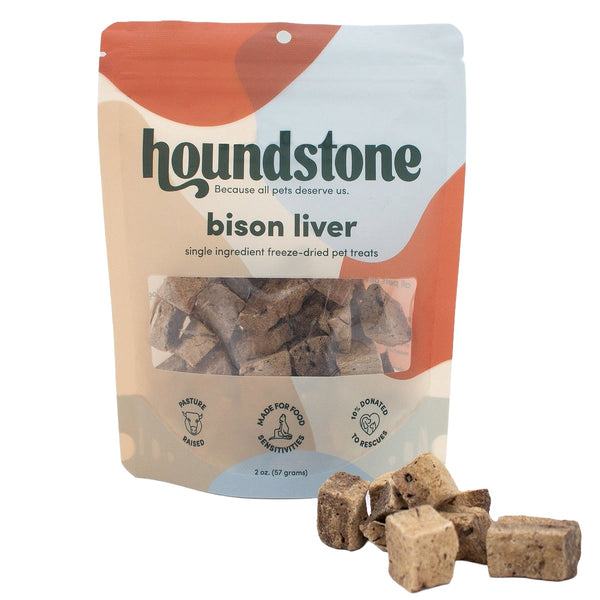
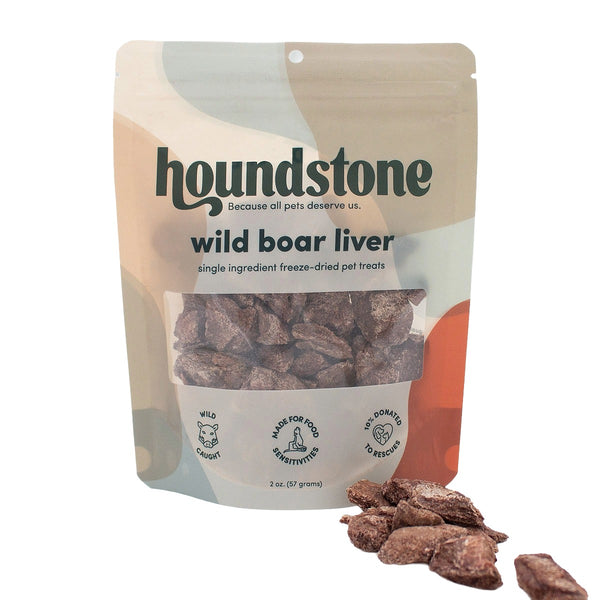
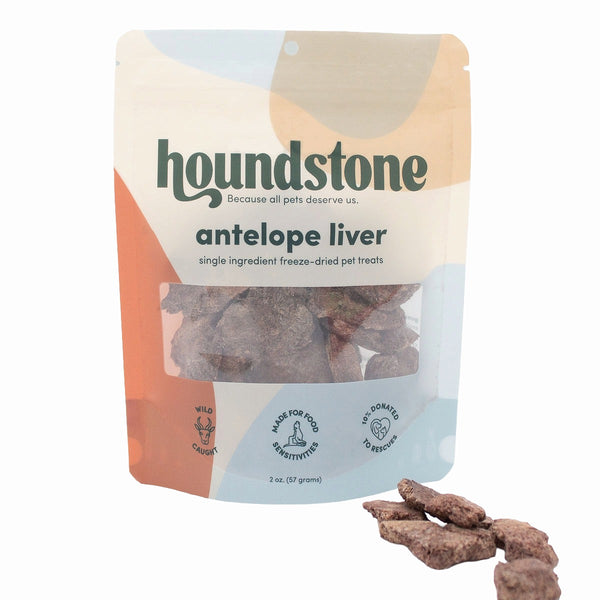
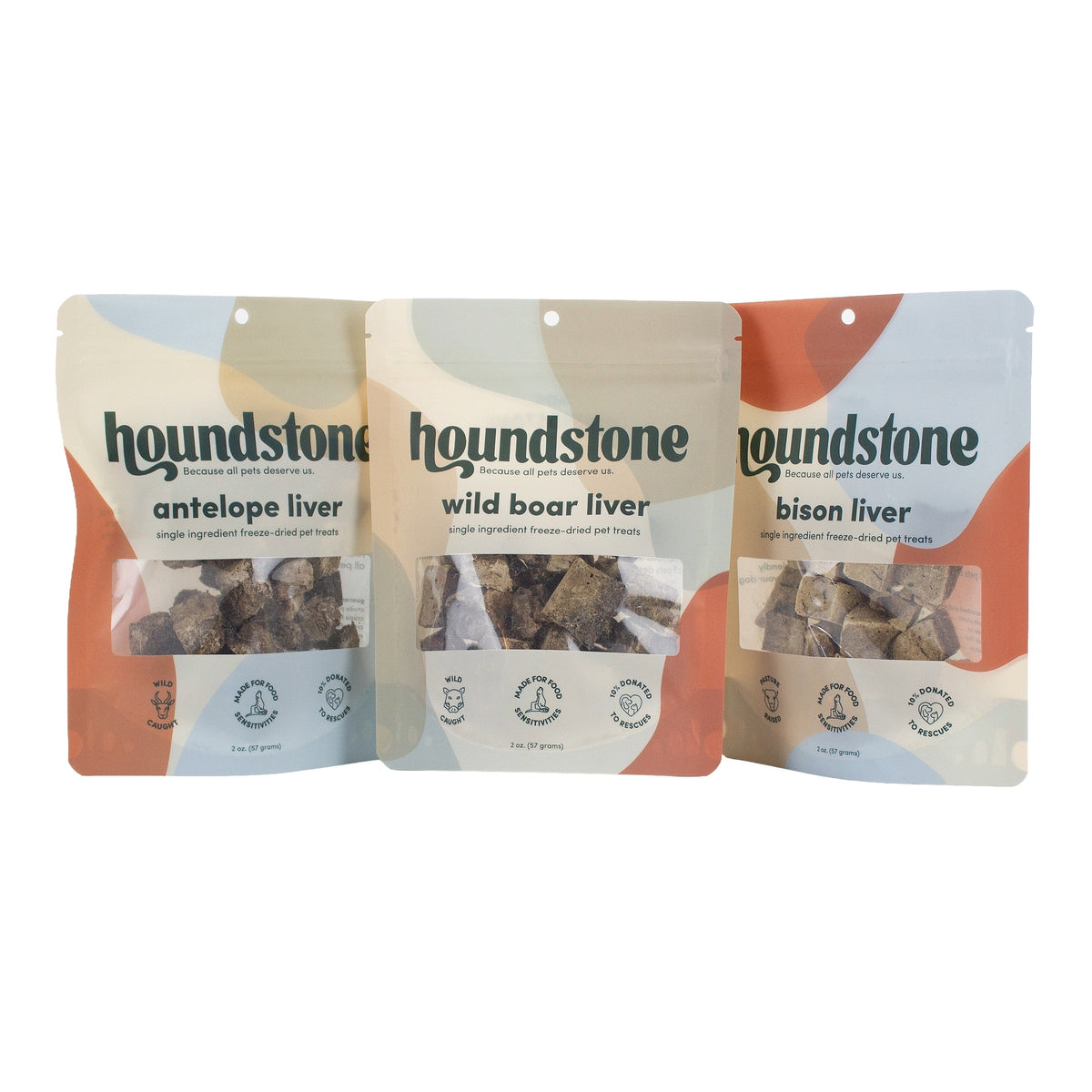
Houndstone freeze dried dog treats are made from a single ingredient, using USDA-certified meat processed in FDA-registered facilities in the USA. If you have questions about our process, contact us and we will answer them.
Other safety tips
- Size matters. Break treats into pieces your dog can chew comfortably, especially for small dogs and dogs that gulp.
- Introduce new proteins slowly. Start with a small amount and watch digestion, skin and ears for a few days.
- Keep treats to about 10% of daily calories. Freeze dried treats are calorie-dense. See our complete guide for portion tips.
- Prefer a cooked-style treat? Dehydrated treats are dried with warm air. Compare them in Freeze dried vs dehydrated dog treats.
Frequently asked questions
Can freeze dried treats make my dog sick?
It is possible, as with any raw meat product. Healthy adult dogs often tolerate raw food without showing illness, but they can still carry bacteria. Ask your veterinarian before feeding raw products to puppies, seniors or dogs with health conditions.
What is high-pressure processing (HPP)?
High-pressure processing is a non-thermal food safety step that uses very high water pressure to inactivate bacteria such as Salmonella, Listeria and E. coli without cooking the food. Some raw pet food makers use it before freeze drying.
Sources
- Cornell University Riney Canine Health Center: Raw foods for dogs, evidence-based advice
- U.S. FDA: Get the facts, raw pet food diets can be dangerous to you and your pet
- AVMA policy: Raw or undercooked animal-source protein in cat and dog diets
- Petfood Industry: HPP as a kill step for raw pet food
Last updated November 2026. This article is general information, not veterinary advice. Talk to your veterinarian about your dog's diet and health.