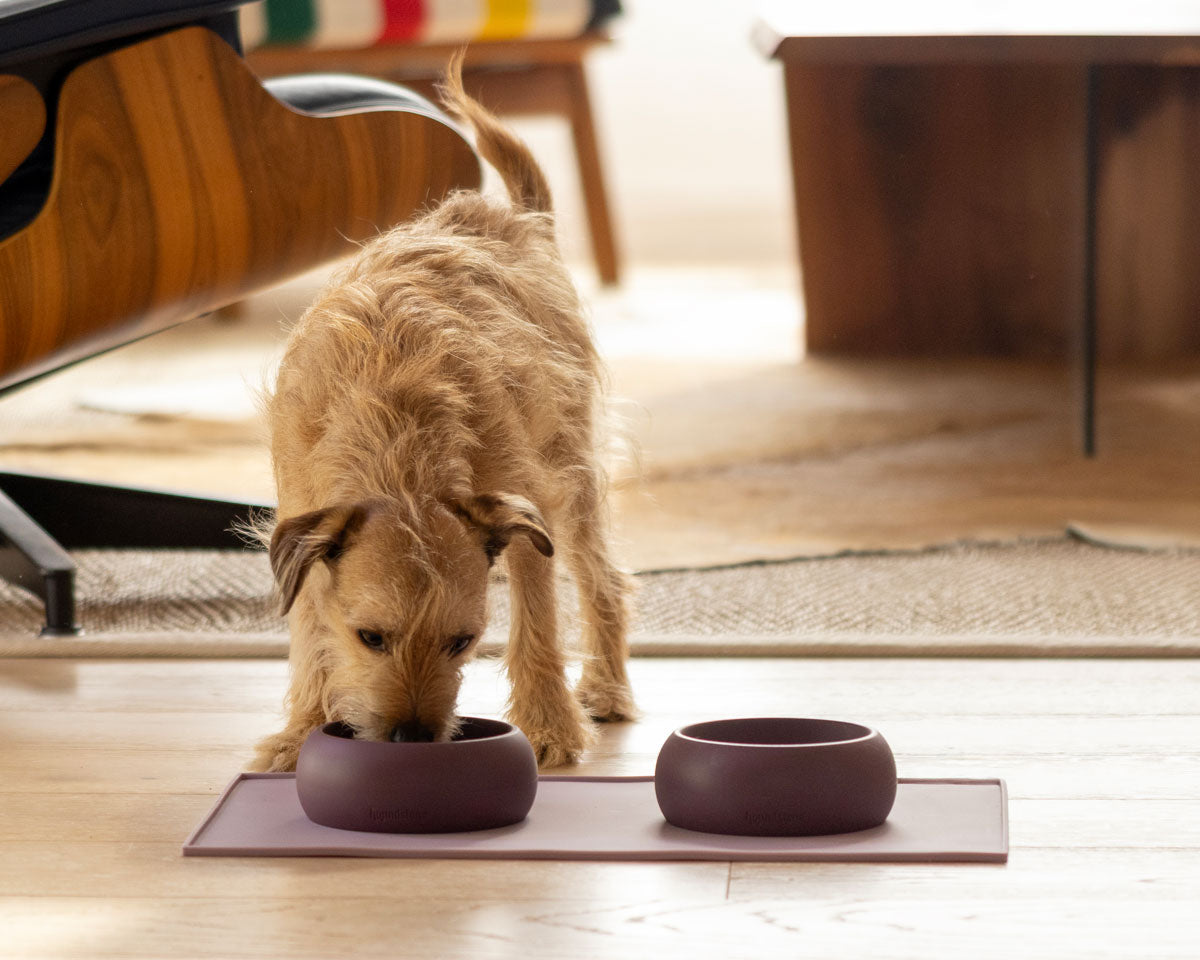
Before “6.7” meant anything to anyone else, it meant two cats.
Six and Seven were siblings—our black panthers, Hemingway cats with polydactyl paws that looked almost too big for the rest of them. Six, our sweet boy, had six toes. Seven, tougher than nails, had seven. They moved through the world with quiet confidence and the kind of trust rescue animals give once they finally decide you’re safe.
They were also messy eaters, especially Seven.
If you’ve lived with cats like that, you know the routine. A few bites in the bowl, a few bites on the floor, and somehow the feeding area never quite feels settled.
For most households, that’s inconvenient. For ours, it mattered in a bigger way.
The real-life problem: crumbs, allergies, and a busy rescue home
We lived with three wild rescue dogs, and fosters came through our home regularly. That meant two things were always true:
-
We needed Six and Seven to be able to eat in peace, without dogs hovering, crowding, or trying to steal their food.
-
We needed to keep cat food crumbs under control, because we also had a dog with food allergies. If that pup managed to snag leftover crumbs, it could trigger major skin reactions.
So we did what a lot of multi-animal homes do: we moved the cats’ food station to an elevated area.
It helped. The cats could eat without being bothered, and the dogs had a harder time getting to their bowls.
But it didn’t solve the mess.
Stainless steel bowls still slid around. Food stuck in places that were hard to clean. Crumbs scattered on the elevated surface and made their way down anyway—exactly the kind of small, daily risk you don’t want when you’re managing allergies.
The setup wasn’t designed for real life. And real life was exactly what we were living.
We didn’t want “better marketing.” We wanted a better routine.
This is where Houndstone comes from. Not trend participation. Not a new label for the same products.
Just a clear need in our own home, shaped by rescue experience and the dogs and cats who relied on us to get it right.
We wanted:
-
cat bowls that stayed in place
-
cat food bowls that didn’t get gross with stuck-on crumbs
-
a feeding station that looked calm, felt intentional, and cleaned quickly
-
something that worked on an elevated surface as well as on the floor
-
and a system that helped protect an allergy-sensitive dog from accidental exposure
So we designed it: a bowl and a mat made to function together.
Why silicone became the answer
We didn’t choose silicone because it sounded good on a product page. We chose it because it solved the exact problems we were dealing with.
Silicone gave us:
-
Grip and stability, so bowls don’t migrate during meals
-
A surface that’s easy to wipe down, without crumbs clinging stubbornly
-
Flexibility and durability, especially in a home where things get bumped
-
A calmer, quieter experience—less clatter, less chaos
And it let us create what we actually needed: a cat bowl and cat food mat designed as a pair, not two separate pieces that happen to share a category.
Designed for comfort: whisker fatigue matters
Cats experience the world through sensitive details, and whiskers are part of that.
Some cats are bothered when bowls are too deep or too narrow—when whiskers press against the sides while they eat. That discomfort is often called whisker fatigue. Not every cat reacts the same way, but when a cat is sensitive, the wrong bowl can make meals feel tense or inconsistent.
The Original 6.7 Silicone Cat Bowl was designed to be gentle at mealtime—wide and comfortable to help reduce whisker fatigue, and simple to clean so the routine stays steady.
The mat matters as much as the bowl
If you’re trying to keep feeding areas clean, the mat is not an extra. It’s the piece that makes the whole station feel controlled.
A cat food mat helps:
-
catch crumbs before they spread
-
keep bowls anchored in place
-
protect surfaces (especially on elevated stations)
-
make cleanup fast—wipe, rinse, done
In our home, that wasn’t about perfection. It was about preventing a dog with allergies from finding one stray bite that could set off a reaction.
What Six and Seven taught us
Six and Seven didn’t need a “cute” product. They needed a feeding setup that respected how they actually ate—and a home that could function safely with dogs, fosters, and sensitive systems all under one roof.
They taught us what we build around at Houndstone:
-
Care should be felt, not questioned.
-
Design should disappear into daily life.
-
Good materials should earn trust over time.
And maybe most importantly: it’s not enough for something to look good. It has to hold up to real routines, real mess, and real animals.
That’s why the Original 6.7 exists. A bowl named for two rescue cats who made us pay closer attention—and a reminder that the smallest details are often the ones that protect the animals who need it most.
A simple setup for a calmer feeding station
If you want a feeding station that stays clean and feels steady:
-
use a whisker-friendly cat bowl
-
place it on a cat food mat to contain crumbs and prevent sliding
-
keep the station consistent (cats notice when things move)
-
if you live with dogs, consider an elevated spot so cats can eat undisturbed
It’s a small system. But it changes the day-to-day.